

PHERA GLOBAL TRUST
Research
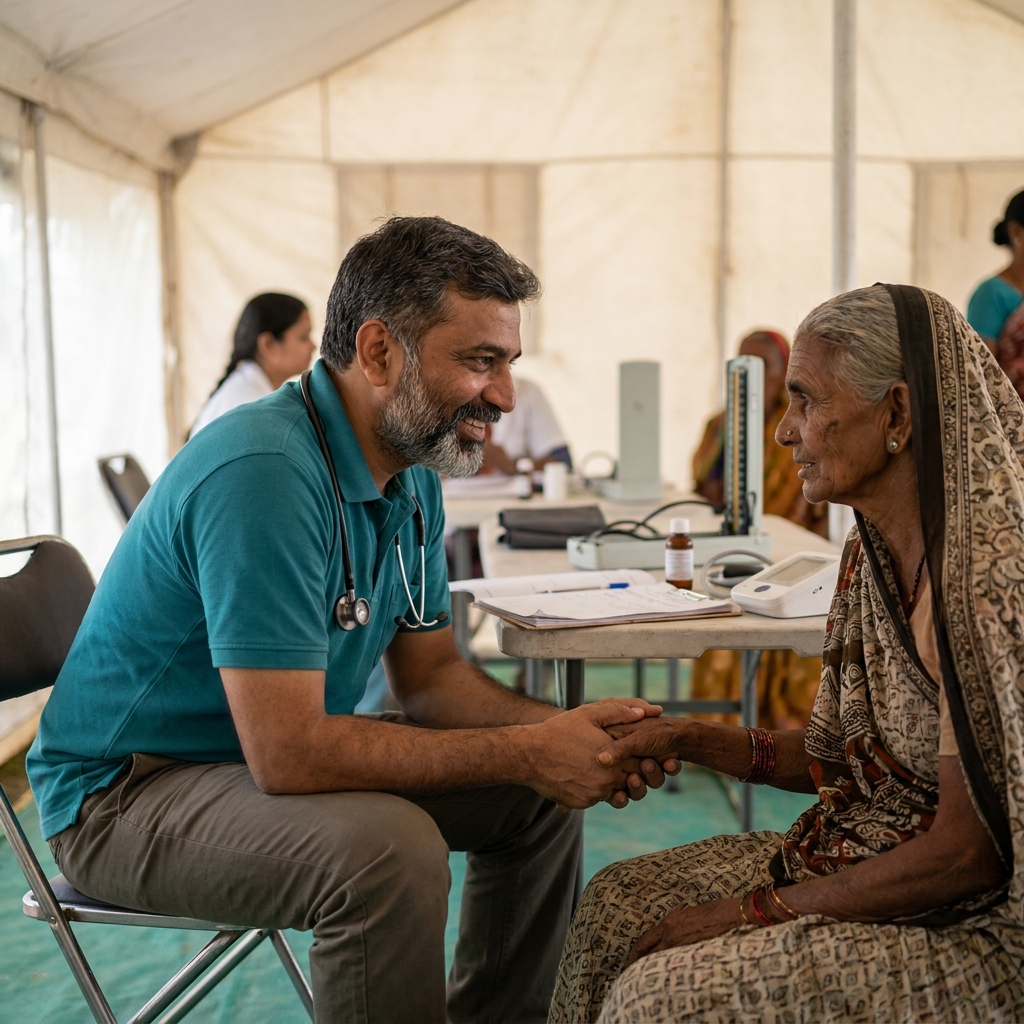
At PHERA Global Trust, research is not an academic exercise carried out at a distance — it begins in the same villages where we run our medical camps. We study the health realities families actually live with, test what traditional and modern medicine can offer them, and turn those findings into better care on the ground. Our work spans public health surveillance, the evaluation of Ayurvedic medicine, and preventive care, all guided by one principle: healthcare decisions should be shaped by evidence, not assumption.
Where Traditional Knowledge Meets Scientific Rigor
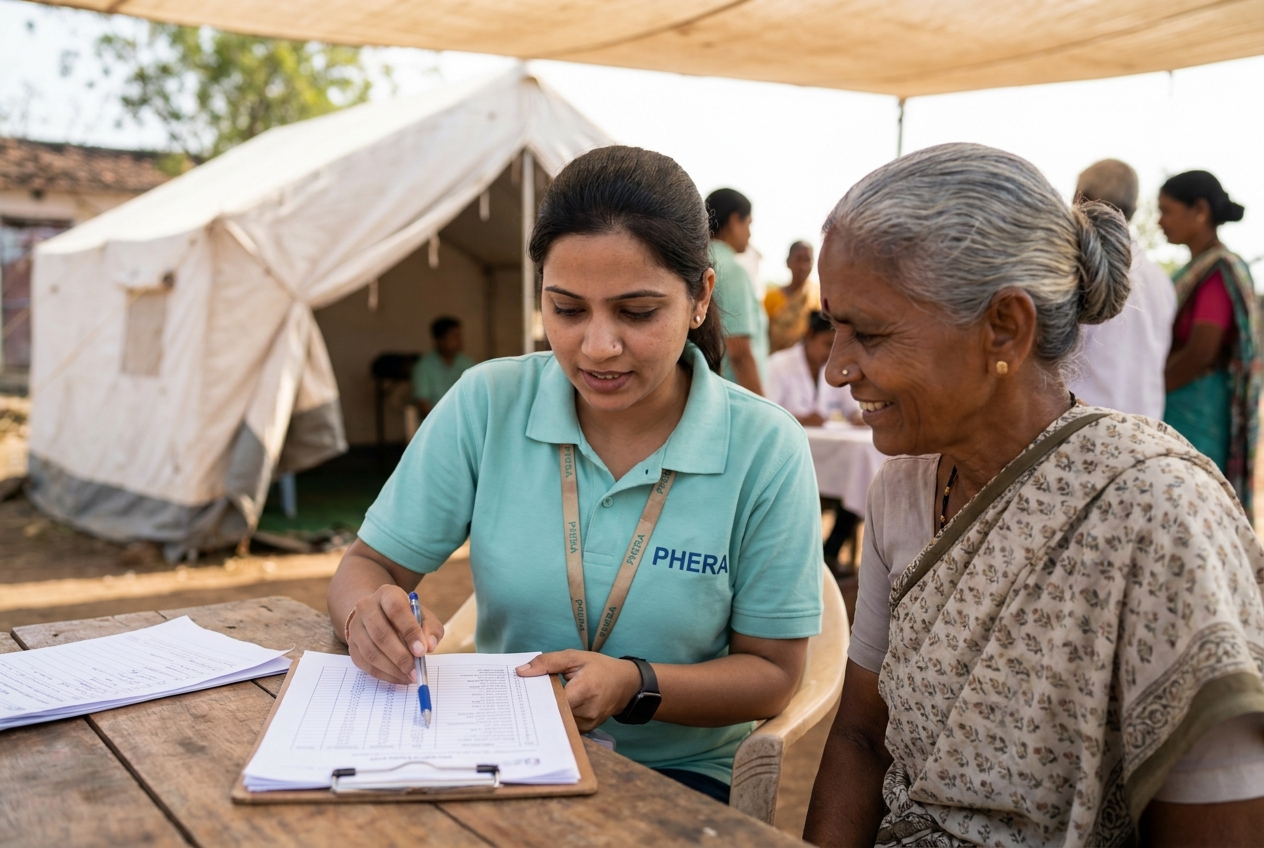
Much of India’s healthcare wisdom, particularly in Ayurveda, has been passed down through generations without formal documentation or clinical evaluation. That knowledge is valuable — but without careful study, it is impossible to know which practices genuinely help, which need refinement, and which should be set aside. PHERA Global Trust works to close that gap: we document what communities already practice, test it against modern evidence, and feed the results directly back into the camps and programs we run.
- ✅ Evidence-based healthcare — every recommendation we make in the field is grounded in data collected from the communities we serve, not borrowed assumptions.
- ✅ Community health research — surveys and screenings that reveal patterns no single medical camp could ever show on its own.
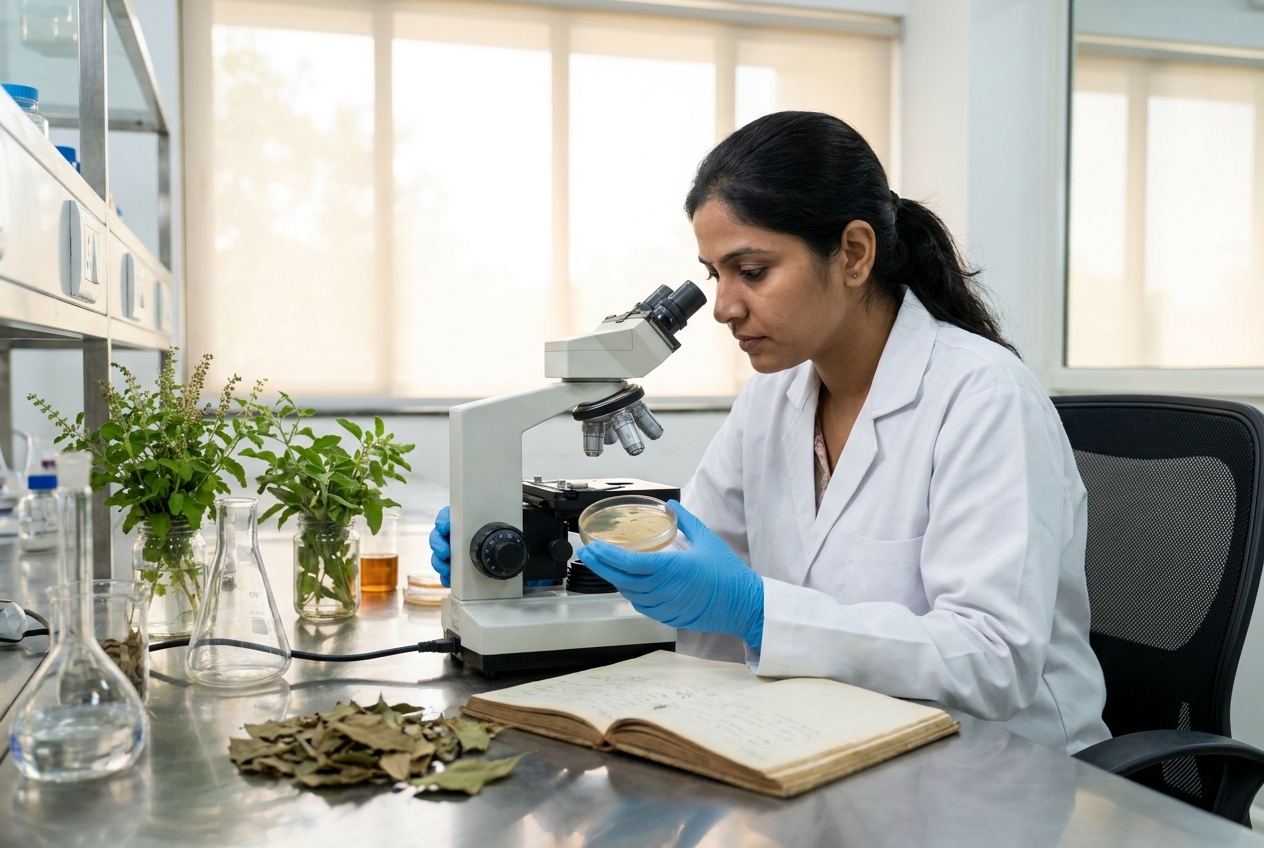
- ✅ Ayurvedic research — documenting formulations, dosages, and outcomes with the same discipline applied to any clinical study.
- ✅ Scientific collaboration — partnering with universities and hospitals so our findings hold up well beyond our own programs.
Research Focus Areas
Six areas guide our research agenda. Each was chosen because it directly shapes how we run camps, where we allocate limited resources, and what advice we give the communities we work with.
💓
Public Health Research
Tracking disease patterns, nutrition gaps, and healthcare access so our camps reach the places and people who need them most.
🌿
Ayurvedic Medicine
Evaluating traditional formulations for safety, consistency, and measurable outcomes — separating what works from what is simply habit.
👥
Community Healthcare
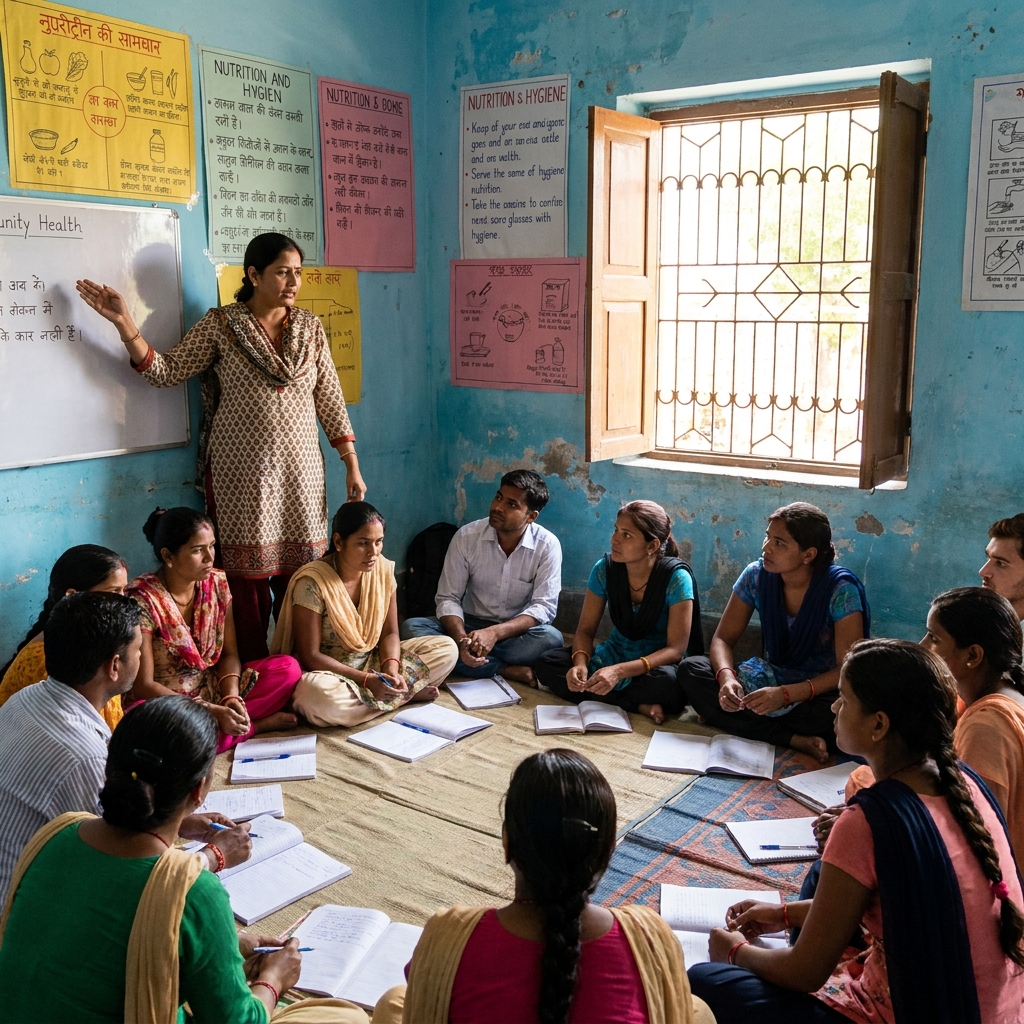
Studying how families in underserved areas actually seek — or avoid — care, and what barriers keep them from getting help early.
🎓
Medical Education
Building training material and field guides that help volunteers and health workers apply our findings correctly and safely.
🧪
Scientific Innovation
Piloting low-cost diagnostic and screening methods designed specifically for resource-limited, rural settings.
📢
Healthcare Awareness
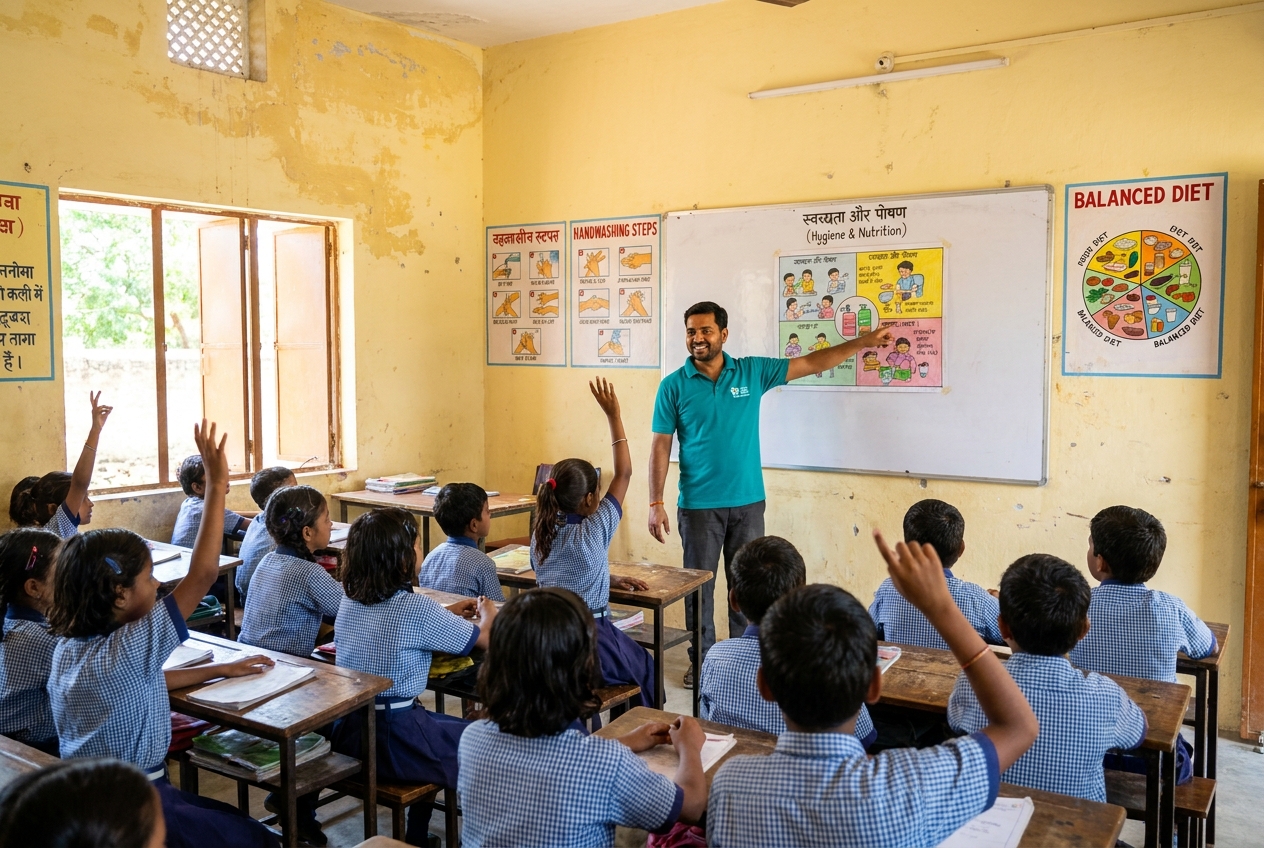
Measuring which awareness campaigns actually change behaviour — not just how many people attended them.
Research Is How a Free Camp Becomes Lasting Change
A single medical camp treats the people standing in front of us today. Research is what allows that same effort to reach the village next door, and the one after that — carrying forward only what genuinely worked. It turns one good day of care into a repeatable, improvable system.
🛡️
Better Healthcare
Findings shape how camps are designed, staffed, and stocked.
🦠
Disease Prevention
Early data helps us act before an outbreak spreads.
🏡
Rural Healthcare
Guides where limited resources will do the most good.
🤲
Affordable Treatments
Identifies low-cost options with proven, real-world benefit.
Current Research Initiatives
📋
Community Health Surveys
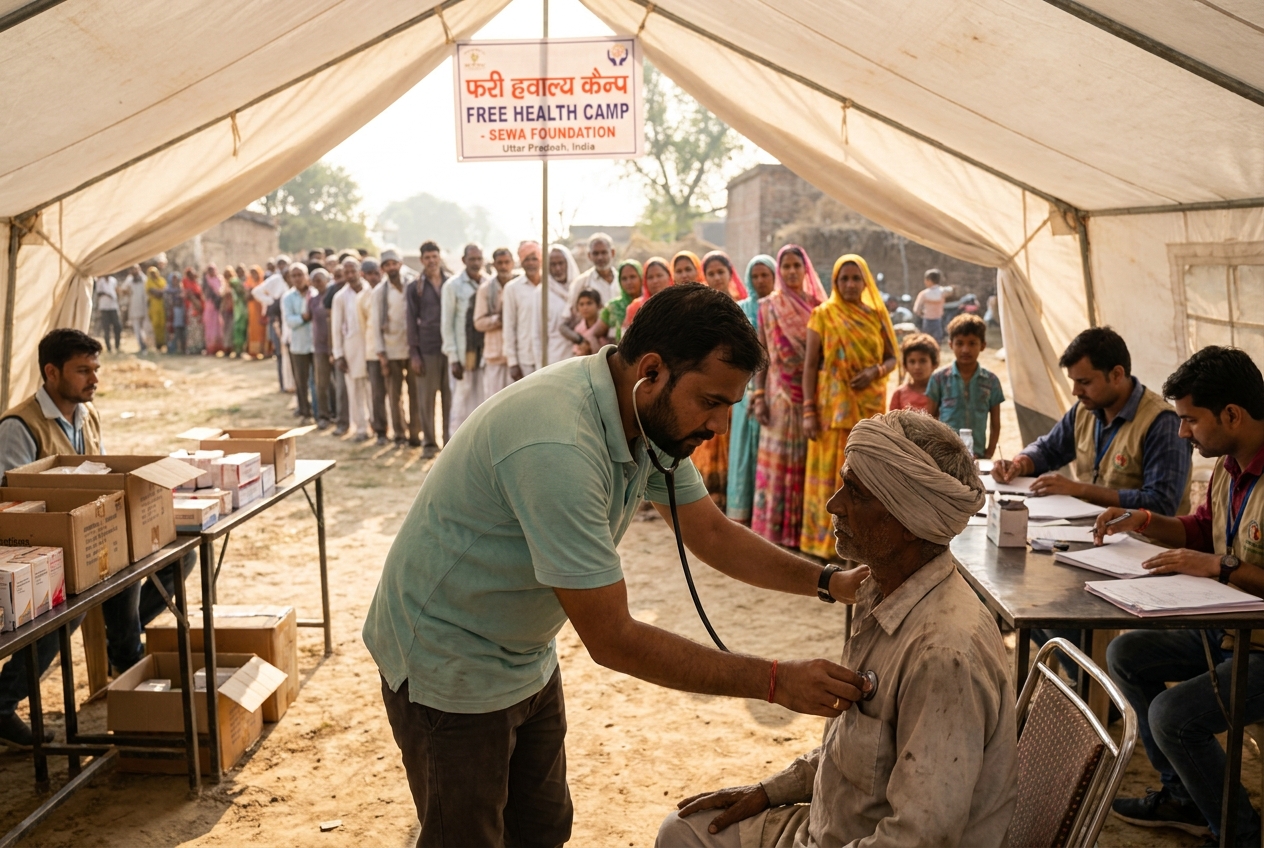
Household-level surveys mapping nutrition, chronic illness, and healthcare access across the regions we serve.
⚗️
Herbal Medicine Evaluation
Structured review of commonly used herbal remedies for consistency, safety, and reported outcomes.
🔍
Preventive Healthcare Studies
Comparing early-screening approaches to find what catches illness soonest at the lowest cost.
🚜
Rural Health Programs
Evaluating which outreach models work best in geographically remote and hard-to-reach villages.
💬
Public Awareness Research
Measuring which messaging formats genuinely change health-seeking behaviour in the community.
Research Methodology
Every study we run follows the same seven-stage process, from the first observation in the field to a measurable benefit for the community.
🔍
Identify Problem
🚶
Field Research
🗄️
Data Collection
📈
Analysis
✅
Validation
⚙️
Implementation
❤️
Community Benefit
20+
Research Programs
500+
Community Participants
30+
Healthcare Experts
50+
Awareness Campaigns
*Illustrative figures — update with your organization’s verified statistics.
Research Collaborations
Our research gains credibility, reach, and rigor through partnership. We actively welcome collaboration from:
🏥
Hospitals
🏛️
Universities
🔬
Research Institutes
👨⚕️
Healthcare Professionals
💼
CSR Organizations
🏛️
Government Bodies
🤝
NGOs
Publications & Reports
📄
Community Health Survey Report 2025
Findings from household health surveys across 40 villages, covering nutrition, chronic disease, and access to care.
📄
Herbal Formulation Safety Review
A structured evaluation of commonly used Ayurvedic preparations for consistency and reported outcomes.
📄
Preventive Screening Pilot Findings
Comparative results from low-cost preventive screening methods piloted across three districts.
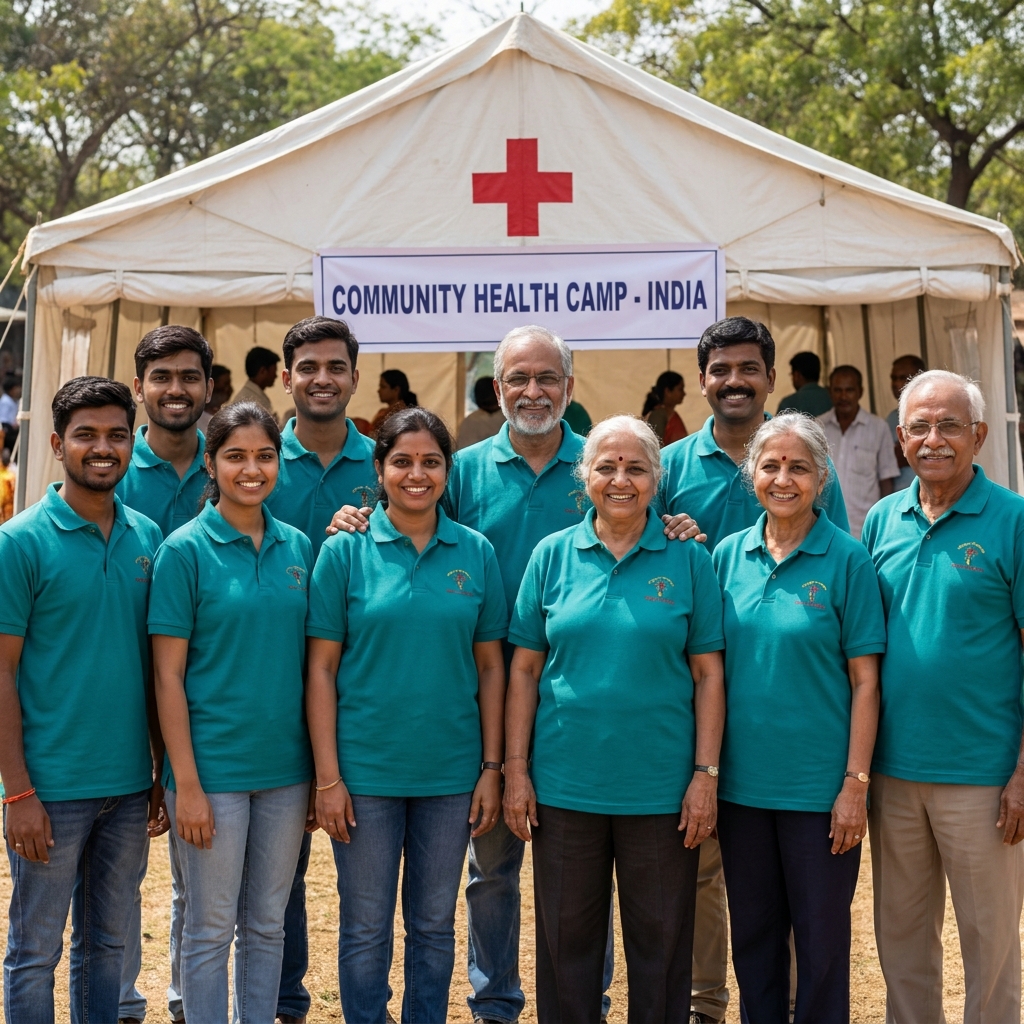
Image Gallery
Frequently Asked Questions
What kind of research does PHERA Global Trust conduct?
Our work spans community health surveys, evaluation of Ayurvedic and herbal remedies, preventive healthcare studies, and research into how awareness campaigns change health-seeking behaviour — all grounded in the same communities where we run our medical camps.
Is PHERA’s research peer-reviewed or independently verified?
We design our studies in consultation with partner institutions and healthcare professionals, and we actively seek academic collaboration so our findings can be reviewed and validated externally rather than in isolation.
How does Ayurvedic research fit alongside modern medicine at PHERA?
We treat Ayurveda as a source of practices worth testing, not assuming. Formulations are documented, evaluated for safety and consistency, and considered alongside conventional treatment — never as a replacement for medical care.
Can universities or hospitals collaborate with PHERA on research?
Yes. We welcome partnerships with universities, hospitals, research institutes, and healthcare professionals who want to contribute expertise, co-design studies, or help validate our findings. Reach out through our Partner With Us page to start a conversation.
How is research data collected and kept accurate?
Field teams use standardized survey instruments and screening protocols during camps and household visits. All data is reviewed for consistency before it informs any program decision or publication.
Are PHERA’s reports available to the public?
Yes. Summaries and reports from our completed studies are published on this page as they become available, and full reports can be downloaded directly.
Does PHERA fund external researchers?
We currently prioritize funding for our own field research, but we actively support joint studies and in-kind collaboration with academic and healthcare partners. Get in touch to discuss a specific proposal.
How can healthcare professionals get involved in a study?
Doctors, Ayurvedic practitioners, and researchers can join as volunteer investigators, contribute clinical review, or advise on study design. Contact our team to find the study that best fits your expertise.
Collaborate With PHERA Global Trust
If you’re a researcher, hospital, university, NGO, or healthcare professional working toward better, evidence-based healthcare, we would welcome the chance to work together. Our field networks, community access, and research experience are open for genuine collaboration.